
Occupational Hygiene Exposure Monitoring at Hovis
Challenge
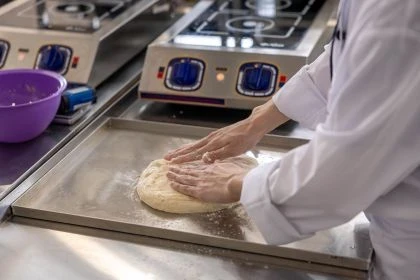
At Hovis Ltd’s Belfast facility, an occupational exposure monitoring survey was required to assess employee exposure to airborne contaminants. As a large-scale bakery environment, flour dust was the main concern due to the potential respiratory hazards that can be caused by exposure.
Air monitoring was needed alongside a wider survey to ensure the client was working within the limits detailed in exposure regulations, and to identify the areas that need enhanced control measures.

Occupational Hygiene Exposure Monitoring at Hovis
Project Description and Background
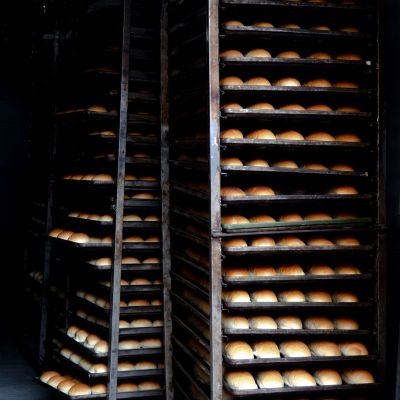
The site was a large-scale bread production facility in Belfast. The employees work across multiple production areas including mixing, baking, slicing, and packaging – carrying out these tasks in a bakery environment can have occupational hygiene risks.
During the bread production process, employees are exposed to flour dust, an asthmagen, with respiratory hazards arising from sustained exposure to the airborne particulates. There are varying exposure levels dependent on the different production areas, but monitoring was needed across all activities to ensure regulatory compliance with the exposure limits.
The site was a large-scale bread production facility in Belfast. The employees work across multiple production areas including mixing, baking, slicing, and packaging – carrying out these tasks in a bakery environment can have occupational hygiene risks.
During the bread production process, employees are exposed to flour dust, an asthmagen, with respiratory hazards arising from sustained exposure to the airborne particulates. There are varying exposure levels dependent on the different production areas, but monitoring was needed across all activities to ensure regulatory compliance with the exposure limits.
Solution
SOCOTEC UK & Ireland conducted personal exposure monitoring across multiple shifts at the bakery facility, covering various work patterns with dayshifts and nightshifts.
A pre-survey consultation was carried out to identify high-risk activities and employee groups to be monitored, alongside the duration of work activities.
Personal air sampling was used to collect exposure data using employee-worn monitoring equipment in multiple locations throughout the facility – pancake production lines, bakery mixing areas, production floor operations, slicing and packing zones, and ingredient weighing areas. Monitored employees included those involved in the bread production works – bakers and production operators – as well as those conducting other works on the site – cleaners and boiler operators.
During the monitoring period, observations were made of the processes and working practices. The assessment of engineering control measures evaluated the resources and procedures in place to limit and control employee exposure, including the last resort on the hierarchy of control, personal protective equipment (PPE) such as respiratory equipment and hearing protection. The employees taking part in the survey also completed a questionnaire to supplement the Technologist’s observations, detailing the tasks performed and PPE utilised.
It was found that exposure levels varied significantly by job role and location on-site. Direct flour handling tasks such as bakery mixing and pancake production were identified as high-risk activities due to the consistent exposure to flour dust from sieving and ingredient weighing. However, despite not conducting direct flour handing, production operators also showed consistent exposure to flour dust due to the bakery environment. The monitoring provided evidence of the exposure levels on the site for comparison against the Workplace Exposure Limit (WEL).
Based on the data collected by the Occupational Hygiene Technologist, SOCOTEC provided recommendations and guidance for ongoing compliance with regulations to ensure employees remain safe from high levels of flour dust exposure while working in the bakery environment.
Conclusion
SOCOTEC’s occupational exposure monitoring across a large-scale bakery facility provided the client with an understanding of workplace exposure risks and the necessary control measures to prevent exceeding the WEL limit for flour dust.
The combination of personal monitoring, observations, and questionnaires as part of the air monitoring survey provided a comprehensive overview of the various exposure levels for the different tasks carried out at the site, demonstrating SOCOTEC’s commitment to protecting employee health within the food industry.
Want to find out more about...
Discover our latest News & Media

SOCOTEC Ireland joins Interim Remediation Scheme for defective apartments

A Day in the Life: Aisling Brophy, Air and Emissions Technician

SOCOTEC Expands Irish Operations with New Dublin Office Opening
A Day in the Life: Sandile Mkhwanazi, Occupational Hygienist